Storm and Hail Roof Damage in Marietta: What Homeowners Should Do First
Storm damage has a way of turning an ordinary day into a scramble. One minute the weather moves through, the next you are staring at water spots on the ceiling, shingle granules in the gutter, or a section of flashing that no longer sits where it should. In Marietta, that first stretch after a storm matters more than most homeowners realize. The choices you make in the first few hours can affect the cost of repairs, the speed of your insurance claim, and whether a small opening turns into a much bigger interior problem.
I have seen the same pattern over and over. A homeowner notices a stain, assumes it can wait, and then a second rain pushes water through insulation, drywall, trim, and flooring. On the other side, I have also seen people panic and sign paperwork with the first person who knocks on the door. That usually leads to a different set of headaches. The smartest response sits somewhere in the middle, calm, fast, and documented.
If your roof took a hit from hail or a rough storm in Marietta, the first priority is not a full replacement estimate and it is not arguing with your insurance carrier on day one. The first priority is safety, damage control, and a clear record of what happened.
Start with safety and a quick damage check
After severe weather, the roof itself is not the first place you should go. A damaged roof can be slippery, unstable, or hiding areas where materials have loosened. If there are downed power lines nearby, broken tree limbs overhead, or active leaks near electrical fixtures, keep your distance and treat it as a hazard first, not a home project.
Your first inspection should happen from the ground and from inside the house. Walk the perimeter slowly. Look for visible roof covering damage, bent or displaced metal, debris impact, and gutters or downspouts that seem out of line. Then move indoors and check ceilings, attic spaces if you can do so safely, and walls near rooflines and valleys. Water does not always drip directly below the entry point. It can travel along framing, insulation, or decking before it shows itself.
Hail damage can be deceptive. It may not produce a dramatic hole you can see from the driveway. Research on roof performance has shown that hail can damage roof coverings and shorten roof life, and that roof damage from wind and hail often leads to water intrusion later. That delayed effect catches people off guard. A roof may look mostly intact from the street and still have vulnerable areas that need professional attention.
What to do in the first day
The best first steps are simple and practical. They are meant to stabilize the situation, not solve the whole problem in one afternoon.
- Take photos of everything you can safely document, outside from the ground and inside where leaks, stains, or debris appear.
- Contact your insurance company promptly and report the damage as soon as you have the basics documented.
- If the roof is actively letting in water, arrange for a tarp or other temporary protection, but only if it can be done safely.
- Move furniture, electronics, rugs, or valuables away from leaking areas to limit interior damage.
- Do not sign a rushed contract from an unsolicited contractor who appears right after the storm.
Those steps line up with common sense, but they also matter because storm claims often move on documentation. Photos taken before cleanup and before temporary repairs can help show the condition of the property right after the event. Temporary protection also matters. If water is entering the home, waiting several days can create much more damage than the original storm did.
That said, there is a line between temporary protection and risky improvisation. Homeowners sometimes try to climb onto a wet roof with a blue tarp and a box of nails. That can go badly fast. If the roof is steep, high, slick, or visibly broken, it is wiser to stay off it and call a professional.
Why leaks often show up in the same places
Most homeowners picture storm damage as torn shingles scattered across the yard. That happens, but many leaks start in the details rather than in broad open sections. Flashing is a big one. Roof systems rely on properly installed and integrated flashing to shed water where different surfaces meet. That includes around penetrations, at walls, and in valleys. Valleys deserve special attention because they collect and channel a heavy volume of runoff during storms. If flashing in those areas loosens, shifts, or was not integrated correctly to begin with, water can find its way inside even when the rest of the roof looks passable from a distance.
This is where a proper roof leak repair assessment matters. A stain on the bedroom ceiling may have started at a valley several feet away. A drip in a hallway might trace back to flashing that lifted near a wall connection. Good leak tracing takes patience and judgment. It is rarely as simple as patching the exact spot where water became visible indoors.
I have seen more than one case where a homeowner was told, confidently, that the leak came from “old shingles,” when the actual issue was loosened flashing after a storm. That distinction matters because the right repair is different. A broad, vague diagnosis often leads to broad, vague work.
The insurance call should happen early
Once you have photos and a rough understanding of what happened, notify your insurer right away. Waiting can slow everything down and may make the timeline harder to explain later. When you make that call, keep it factual. Describe the storm event, the visible damage, and any active leaking or emergency measures already taken.
If there is water entering the home, mention that clearly. If ceiling materials are affected, say so. Assistance for storm-related roof and ceiling damage can involve verification by inspection, so preserving the scene and your records matters. This is one reason to avoid over-cleaning or tearing into damaged areas before the claim process gets moving. You want the condition documented, not erased.
At the same time, do not confuse preserving evidence with doing nothing. Reasonable steps to prevent further damage, such as tarping a damaged roof if it can be done safely, are part of a responsible response. The balance is simple: protect the property, but keep clear records of the condition and the measures taken.
Be careful with storm chasers and rushed sales tactics
Marietta homeowners often see a wave of unsolicited offers after a major storm. Some are legitimate contractors responding to demand. Some are not. The pressure usually sounds familiar. “We were just in the neighborhood.” “Sign today so we can secure your spot.” “Insurance will cover everything.” Fast talk tends to increase when homeowners are stressed and short on information.
Georgia takes contractor licensing seriously. Residential and commercial general contractor services performed for compensation require state licensure, with categories that include residential-basic, residential-light commercial, and general contracting work. The state also ties licensure to requirements that include experience, competency, examinations, and insurance. Those rules exist for a reason. A roof repair project after a storm is not just a ladder and a pickup truck. It can involve code compliance, estimating, insurance coordination, and in some cases permit issues depending on the scope of work.
A reliable roofing contractor should not get irritated when you ask about licensing, insurance, or how permits are handled. In fact, those questions help separate professionals from opportunists. If someone avoids direct answers, wants a signature before a real inspection, or pressures you to skip normal paperwork, that is a warning sign.
Marietta homeowners need to think about permits too
Not every storm response requires a permit, but roof work can cross that line depending on what is being done. Marietta requires building permits for new construction, temporary buildings, and certain alterations to existing construction, and local authorities enforce current Georgia building codes. That means homeowners should not assume that every repair is informal or exempt.
A seasoned roofing contractor should be able to explain whether the proposed work triggers permit requirements and how code compliance fits into the repair plan. If the answer is hand-waving or “don’t worry about it,” that is not reassuring. Storm damage creates urgency, but urgency does not erase permit rules.
The permit side matters for another reason too. Properly documented work tends to protect the homeowner better in the long run. If repairs expand beyond a small patch into larger replacement or structural correction, you want that work handled within the right framework.
How to choose a roofing contractor when the pressure is on
The best time to evaluate a contractor is before water reaches your light fixture, but life rarely works that way. After a storm, homeowners often need help quickly. Speed matters, but so does judgment.
Here is what I would focus on when calling a roofing contractor in Marietta.
- Ask whether they are properly licensed for the work they perform in Georgia.
- Ask whether they carry the insurance required to maintain licensure.
- Ask who will assess the damage, how leak tracing will be handled, and whether temporary protection can be provided safely.
- Ask whether permit requirements apply to the proposed scope and who handles that process.
- Ask for a clear explanation of repair versus replacement, including what problem each option actually solves.
Notice what is not on that list. There is nothing about choosing the lowest number first. Price matters, of course, but storm work done poorly often costs more later. A bargain patch that fails in the next rain is not a bargain. Neither is a full replacement sold on fear when a targeted roof repair would have solved the issue.
The contractor’s explanations should be specific. If they say there is flashing damage, they should be able to explain where and why it matters. If they recommend roof leak repair in a valley area, they should be able to describe how water is concentrating there and what detail has failed. Vague language is expensive language.
Repair or replace is not always an easy call
Homeowners often want a yes or no answer right away. Can this be repaired, or does the whole roof need to go? Sometimes the answer is obvious. Sometimes it is not.
A focused repair can be the right choice when damage is limited and the vulnerable area is well identified. Flashing issues, localized wind damage, or a traceable point of water entry may call for a repair rather than a broad replacement. On the other hand, hail can shorten the life of roof coverings even when the roof is still shedding water at the moment. That is part of why professional assessment matters. You are not just asking, “Is there a leak today?” You are also asking, “What did this storm do to the roof’s useful life and reliability?”
Good contractors talk in terms of condition and function, not fear. They explain the trade-offs. A repair may stop the immediate leak and buy time. A larger scope may make more sense if the storm damage is widespread or if multiple areas are compromised. The right answer depends on what the inspection actually finds, not on whoever talks fastest.
Temporary tarping is not a final fix
A tarp can save a house from a lot of secondary damage. It can also create a false sense of security. Temporary covering is just that, temporary. Once the roof is stabilized, the next step is identifying the failed details underneath and planning the actual repair.
This point matters because homeowners sometimes relax once the dripping stops. Then a month later another storm arrives, the tarp shifts, and water finds the same path again. The better approach is to treat tarping as a pause button. It buys time for a proper inspection, claim handling, and permanent roof repair, not an indefinite solution.
Interior damage deserves attention too
When a roof leaks, the roof is only part of the story. Ceiling finishes, insulation, trim, and wall surfaces may all be affected. A small stain can hide broader moisture spread above the ceiling line. This is another reason to document what you see early and to watch conditions over the next several days.
If water entered through the roof during the storm, make a habit of checking the same interior locations after the next rain. Sometimes a leak appears to stop simply because weather conditions changed. Wind-driven rain can expose weaknesses that calmer rain does not. Tracking those patterns can help a contractor pinpoint the true entry point.
For homeowners who end up seeking disaster assistance after a qualifying event, roof and ceiling damage from leaks may be reviewed through an inspection process. That does not mean every case qualifies for help, but it does reinforce the value of clear records and visible evidence.
The attic often tells the truth
If you can enter the attic safely, it can reveal what the ceiling does not. Look for damp insulation, darkened roof decking, or visible daylight at penetrations and joints. Do not touch electrical components or walk where footing is uncertain. Even a brief visual check can help you understand whether the leak is isolated or more widespread.
Attic observations are especially useful with storm damage because they can help distinguish between a one-time water path and an ongoing vulnerability. Again, the point is not to become your own adjuster or roofer. The point is to gather practical information while conditions are fresh.
A word about commercial and mixed-use properties
Marietta includes more than detached houses, and some owners are responsible for small commercial or mixed-use buildings. The basic first steps remain the same, safety, documentation, insurer notice, temporary protection, careful contractor selection. The difference is that the licensing and project complexity can rise quickly on commercial work. Georgia has separate contractor licensing categories, and commercial general contractor licensing involves areas like code knowledge, estimating, insurance, surety bonding, and liens. Owners should be especially careful not to hire outside the contractor’s legal scope.
That sounds technical, but the takeaway is simple. Match the contractor to the property and the work.
What good storm response feels like
A competent storm response usually feels organized, not dramatic. The contractor inspects carefully. They explain what they can confirm and what still needs verification. They help protect the roof from further damage if needed. They understand that permits may be part of the process. They do not promise outcomes they do not control, especially on the insurance side. They focus on stopping water intrusion and restoring the roof’s ability to shed water properly.
That may not sound exciting, but that is exactly what homeowners need after a storm. Calm beats hype every time.
The first move matters more than the perfect move
Most homeowners are not trying to become roofing experts in the middle of a storm claim. They just want to avoid making the situation worse. That is the right instinct. If you roof repair near me remember nothing else, remember this: act early, document clearly, protect the house from additional water if it can be done safely, and be selective about who you trust with the repair.
Storm and hail damage in Marietta is stressful because it creates both visible and hidden problems. Water stains, damaged flashing, compromised valleys, shortened roof life, permit questions, insurance timing, contractor screening, it all lands at once. The good news is that the first response does not need to be complicated. It just needs to be sound.
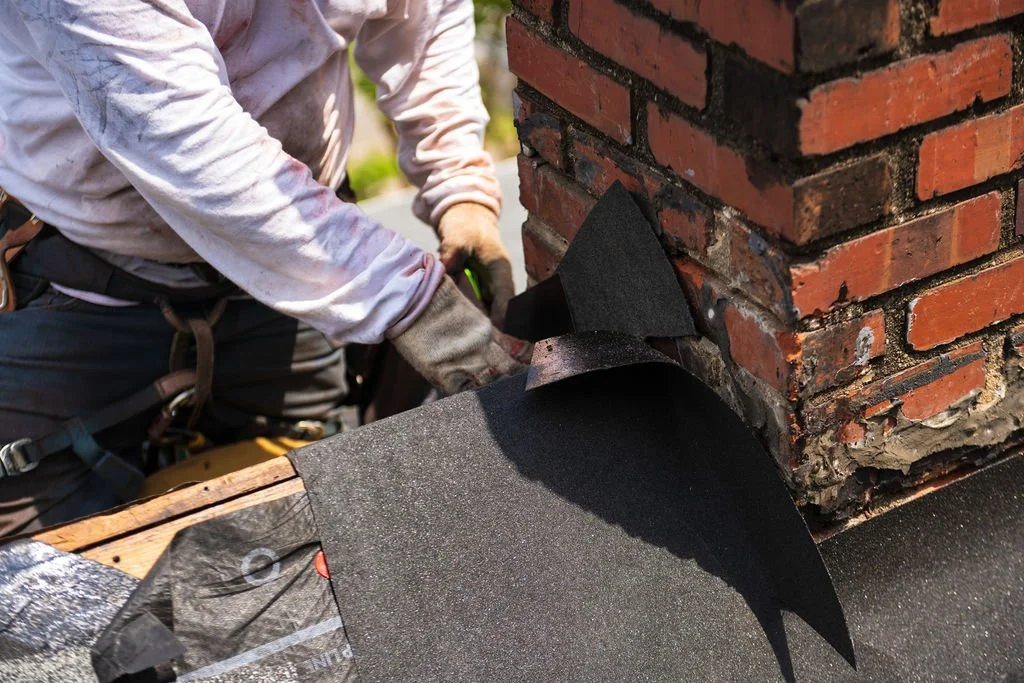
When homeowners slow down enough to photograph the damage, notify the insurer promptly, avoid risky roof access, and choose a properly qualified roofing contractor, they put themselves in a much stronger position. That is how a bad storm stays a repair job instead of becoming a drawn-out mess. And when a leak is involved, that difference can be measured not just in dollars, but in how much of your home you have to put back together afterward.